
Battery storage to be expanded nationwide to strengthen the grid
The government widens battery storage from the peninsula to Sabah and Sarawak, and makes it mandatory for new large-scale solar.
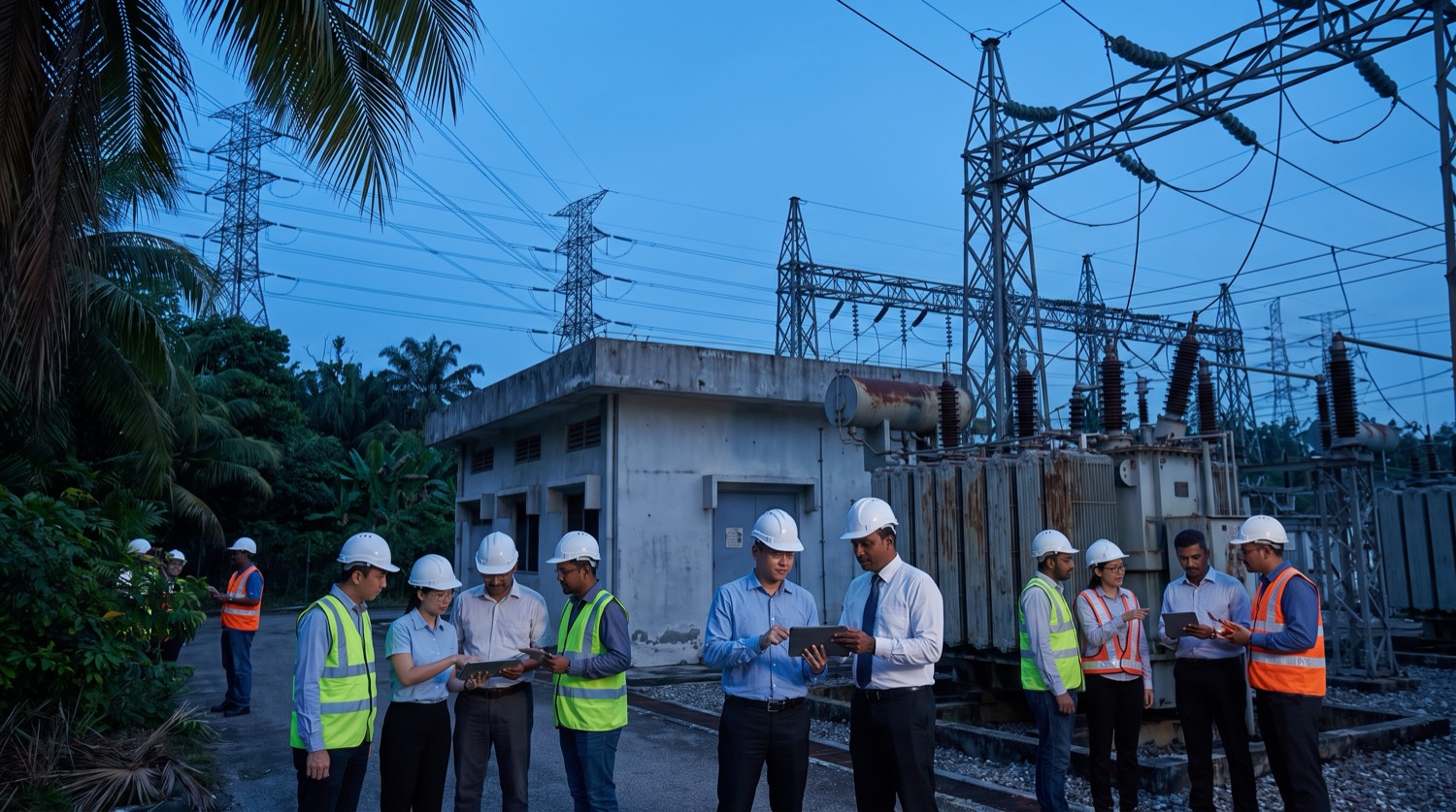
Battery energy storage will be expanded across Malaysia to keep the grid stable as more solar comes online, Deputy Prime Minister Datuk Seri Fadillah Yusof said. Tenders already open in Peninsular Malaysia are being extended to Sabah, through Sabah Electricity, and to Sarawak, through Sarawak Energy, turning what began as a peninsular effort into a nationwide rollout.
Fadillah, who is also Minister of Energy Transition and Water Transformation, pointed to the newly commissioned 100 MW Santong storage facility in Terengganu, which he officiated on 18 May, as a template. That project is expected to support demand equivalent to about 40,000 users on the east coast.
A central plank of the policy is that storage is no longer optional for new solar farms. Under the sixth Large Scale Solar programme (LSS6), every participating project must incorporate batteries. The LSS6 tender, expected to open in 2026 and sized at around 2,000 MW of solar capacity, has been described as the country's largest solar tender to date.
The rationale is straightforward. Solar output is variable and does not provide baseload, so rapid growth without storage can strain the grid. Batteries absorb surplus midday generation and release it when demand peaks, smoothing the swings. The shift from generation-only procurement to a solar-plus-storage default supports the renewable targets set out in the National Energy Transition Roadmap.
This is a UniBess summary of reporting by The Star. Read the original