
TNB commissions the 100 MW / 400 MWh Santong BESS on the national grid
TNB switches on a 100 MW / 400 MWh battery in Terengganu, the national grid's first grid-forming storage system.
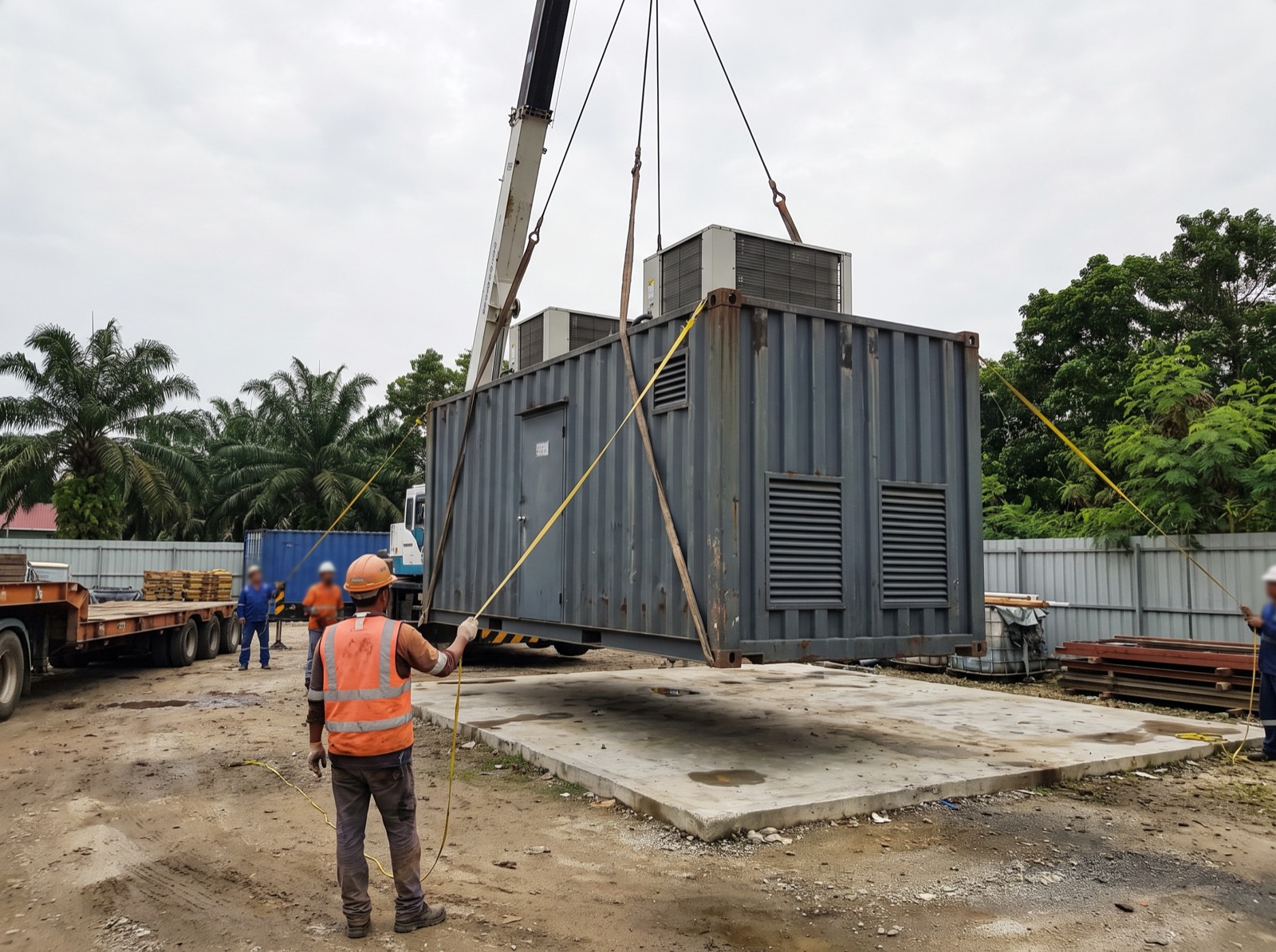
Tenaga Nasional Berhad has commissioned the Santong battery energy storage system in Terengganu, rated at 100 MW / 400 MWh and connected directly to the national grid. Inaugurated on 18 May 2026 at the Santong main intake substation in Paka, Dungun, it is one of Malaysia's first utility-scale batteries and, TNB says, the first that can operate in grid-forming mode.
Grid-forming capability is the technical leap. Beyond storing and shifting energy, the system can provide synthetic inertia, fast frequency response, voltage control and even black start, helping to restart the grid after an outage. That lets the battery actively stabilise the network rather than simply follow it, which matters as more variable solar is added.
The roughly RM380 million project was built by TNB with Sungrow supplying the storage systems and energy management platform. TNB reports the plant was delivered in 309 days from start to commercial operation, which it describes as the fastest battery build in the country, and validated it with a full-power 100 MW discharge test. It can support demand equivalent to about 40,000 households on the east coast.
TNB president Shamsul Ahmad said the facility is vital to grid stability through its ability to correct supply-and-demand imbalances quickly. The project sits within the National Energy Transition Roadmap, under which the utility is reinforcing the grid to absorb a growing share of renewables.
This is a UniBess summary of reporting by The Star. Read the original